As the temperature drops across Milsons Point and the North Shore, many pet owners notice something else creeping up: the number on the scales. Winter weight gain in dogs and cats is common, and it often happens so gradually that it goes unnoticed until a check-up reveals the truth.
At Pet Medical Milsons Point, we see this pattern every year. The good news is that it’s entirely manageable once you understand why it happens and what to do about it.
Why Pets Gain Weight In Cooler Months
Winter weight gain isn’t just a coincidence of colder weather. It’s the result of a few overlapping factors that quietly add up.
Shorter days, shorter walks. As daylight hours shrink, so does the time many of us spend outdoors with our dogs. Rain and chilly evenings make a quick loop of the block far more tempting than the usual longer walk. Less movement means fewer calories burned, even if meal portions stay exactly the same.
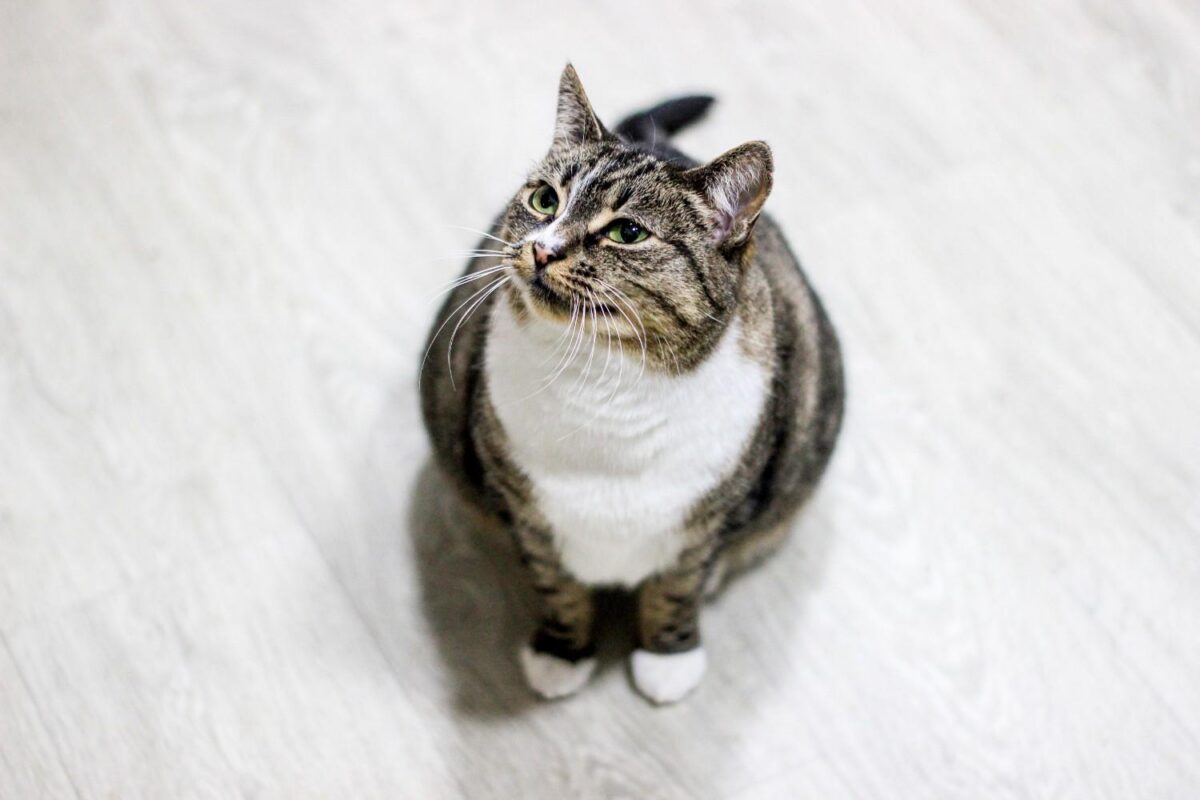
Indoor cats become even less active. Cats already spend most of their time indoors, and winter tends to push this further. A cosy spot near a heater is far more appealing than chasing toys across a cold floor. Reduced play and movement can lead to steady, creeping weight gain over the season.
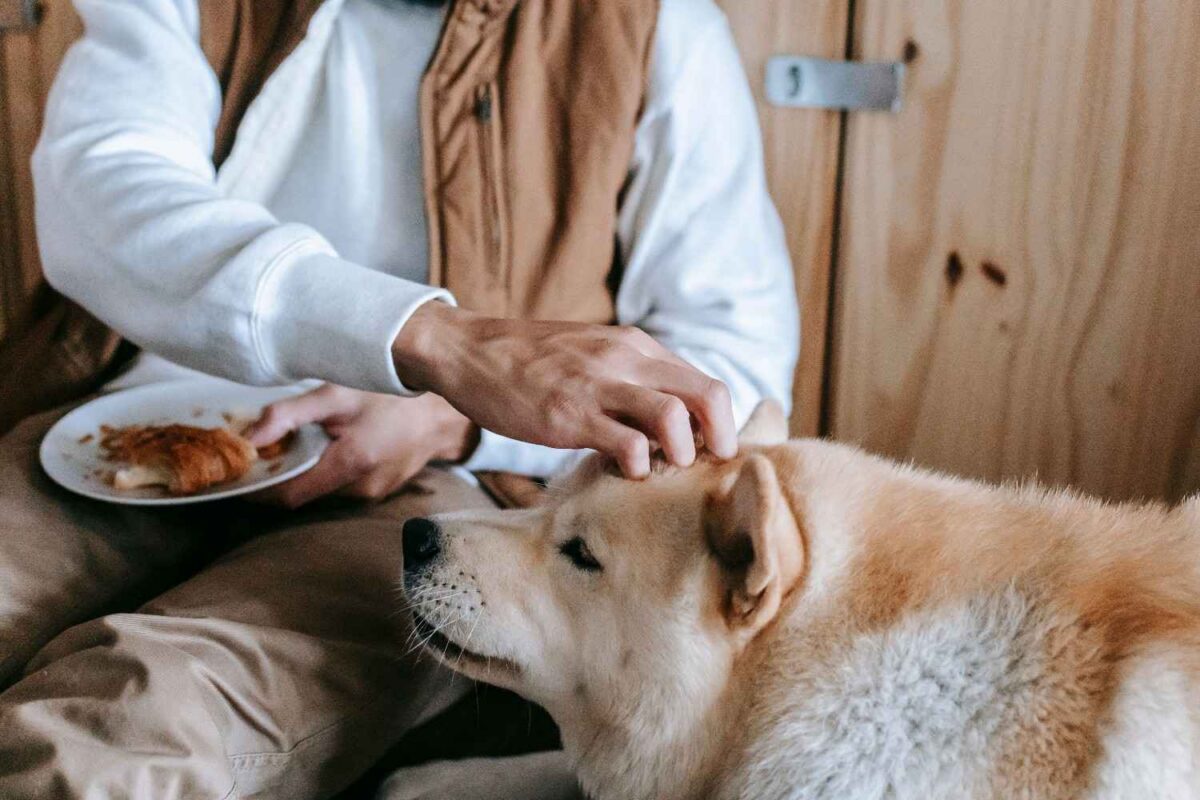
Comfort feeding and treats. Cooler months often coincide with more time at home, more cooking, and more temptation to share food or offer extra treats. These additions rarely get factored into a pet’s daily calorie count, yet they add up quickly.
A slower metabolism. Reduced activity generally leads to a slower metabolic rate, meaning the same amount of food that maintained a healthy weight in summer may now be too much.
None of these factors need to cause problems on their own. The issue arises when portion sizes and eating habits stay the same as activity drops, and that gap becomes extra weight over several months.
Why A Few Extra Kilos Matter More Than You’d Think
It’s tempting to think of winter weight gain as harmless padding that will disappear once the weather warms up. In reality, even a small increase in body weight can carry meaningful health risks.
Being just ten per cent above ideal weight has been linked to a higher risk of arthritis, diabetes, heart disease and urinary problems in dogs and cats. Extra weight also places additional strain on joints, which is a particular concern for older pets or breeds already prone to joint issues.
Excess weight can also make anaesthesia and surgery riskier if your pet ever needs a procedure, and it tends to shorten a pet’s overall lifespan. For these reasons, we take weight changes seriously at every consultation, not just at annual health checks.
How To Check Your Pet’s Body Condition At Home
You don’t need special equipment to get a rough sense of whether your pet has gained weight. Veterinary teams commonly use a body condition score, which relies on what you can see and feel.
Run your hands gently along your pet’s ribs. You should be able to feel them easily, under only a thin layer of fat. Standing above your dog or cat, look for a visible waist behind the ribs. From the side, there should be a gentle upward tuck of the abdomen rather than a straight or sagging line.
If the ribs are hard to find, the waist has disappeared, or the belly hangs low, these are signs that extra weight has crept on. This home check is a useful starting point, but it isn’t a substitute for a proper veterinary assessment, particularly since some medical conditions can also cause weight changes.
Practical Ways To Manage Winter Weight Gain
Keeping your pet at a healthy weight through the cooler months doesn’t require drastic changes, just a bit more consistency.
Measure food using a proper measuring cup or kitchen scale rather than estimating by eye. It’s remarkably easy to over-pour, and small overfeeds add up over a season.
Keep treats to no more than ten per cent of daily calorie intake. Where possible, use small pieces of your pet’s regular food, plain vegetables, or low-calorie options instead of rich extras.
Maintain exercise where you can, even if it means shorter, more frequent walks during daylight hours rather than one long walk after dark. For cats, a few short indoor play sessions each day can make a real difference to activity levels.
Reassess portions if your pet’s routine changes significantly, such as spending more time indoors or becoming less active with age.
Book a weight check with your vet partway through winter rather than waiting until spring. Catching gradual gain early makes it far easier to correct.
How Pet Medical Milsons Point Can Help
If you’re noticing your pet filling out their winter coat a little more than usual, our team is here to help. As part of our biannual health screens and general consultations, we assess body condition, discuss diet and exercise, and flag any underlying health issues that might be contributing to weight change.
We also offer dedicated pet weight management support for pets who need a structured plan, including tailored nutrition advice and realistic goals based on your pet’s age, breed and lifestyle. Because we’re a family-owned, low-stress handling and gold-accredited cat-friendly practice, we aim to make every visit as calm and comfortable as possible for your pet.
If it’s been a while since your dog or cat’s last check-up, cooler months are a sensible time to book one in. A quick assessment now could save your pet from a much harder conversation about weight loss later in the year. Contact us to arrange a weight check with our team.
Frequently Asked Questions
Yes, mild seasonal weight gain is common in both dogs and cats due to reduced activity and, in some cases, increased appetite. However, gain beyond a kilogram or two, or gain that continues unchecked, should be assessed by a vet.
For most indoor pets, food requirements stay roughly the same or decrease slightly if activity drops. Outdoor or highly active pets in cold climates may need slightly more energy to maintain body temperature. A vet can help tailor portions to your pet’s specific situation.
Check whether you can easily feel their ribs, look for a visible waist from above, and check for a gentle abdominal tuck from the side. If these signs are absent, book a body condition assessment with your vet.
Most dogs benefit from daily walks, ideally kept consistent in length even if timing shifts to daylight hours. Cats generally need at least two to four short play sessions a day to stay active indoors.
If your pet has gained more than around ten per cent of their normal body weight, shows sudden appetite or behaviour changes, or hasn’t responded to diet and exercise adjustments after a few weeks, it’s time for a veterinary check-up.