
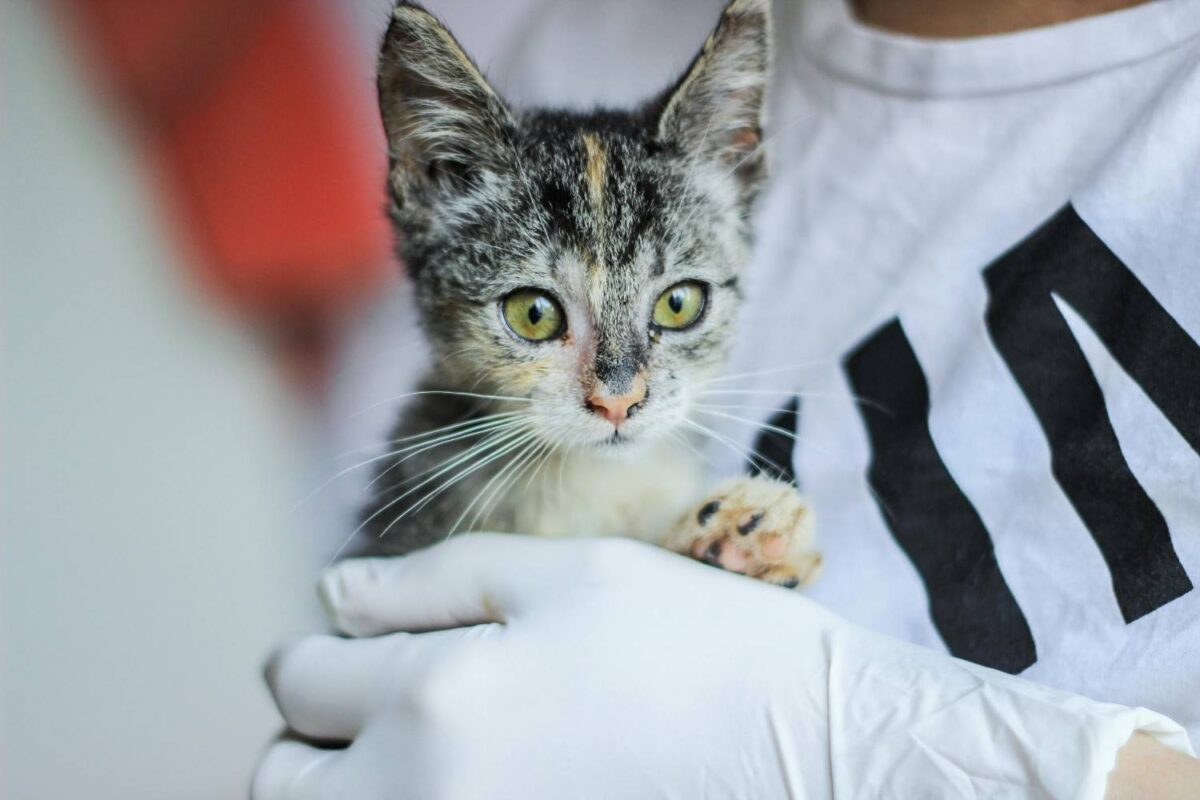
When something suddenly feels “off” with your pet, it can be frightening and overwhelming. Whether your dog has collapsed after a walk, your cat is struggling to breathe, or your puppy has eaten something suspicious, knowing what to do in those first few minutes can make a big difference.
Many pet owners are unsure whether a situation is truly urgent or if it can wait until the next day. While not every issue is an emergency, some symptoms should never be ignored. Acting quickly can help reduce complications, relieve pain sooner, and in some cases, save your pet’s life.
At Pet Medical Milsons Point, we understand how stressful emergencies can be for pet owners. This practical guide explains the first steps to take during a pet emergency, the warning signs to watch for, and when you should contact a veterinarian immediately.
Step 1: Check Your Pet’s Breathing and Responsiveness
The first thing to assess is whether your pet is conscious and breathing normally.
Approach your pet calmly and safely. Speak softly and observe their behaviour before touching them, especially if they may be in pain or frightened.
Here are a few important things to check:
- Are they breathing comfortably?
- Are they alert or responsive to their name?
- Can they stand or move normally?
- Do their gums look healthy pink, pale, blue, or grey?
- Are they conscious or collapsing?
Signs of Breathing Difficulty
Breathing problems should always be treated seriously, particularly in cats, as they often hide illness until it becomes severe.
Urgent signs include:
- Open-mouth breathing in cats
- Gasping or choking
- Heavy, laboured breathing
- Blue, white, or grey gums
- Wheezing or noisy breathing
- Collapse or extreme weakness
If your pet cannot breathe properly, contact a vet immediately and prepare to travel to the clinic as soon as possible.
How To Safely Approach an Injured Pet
Even gentle pets may bite or scratch when scared or in pain. Move slowly and avoid sudden movements. If necessary, use a towel or blanket to help restrain smaller pets safely.
Avoid placing your face close to your pet’s mouth, particularly if they appear distressed or disoriented.
Step 2: Watch for Emergency “Red Flag” Symptoms
Some symptoms indicate a potentially life-threatening emergency and require urgent veterinary attention.
Trouble Breathing or Collapse
Difficulty breathing, fainting, or sudden collapse should never be ignored. These signs may be linked to heart problems, poisoning, severe pain, trauma, or heatstroke.
Even if your pet seems to recover after collapsing, they still need a veterinary assessment.
Seizures
A seizure can look alarming. Your pet may shake, paddle their legs, drool, lose consciousness, or become temporarily confused afterwards.
If a seizure lasts longer than a few minutes, happens repeatedly, or your pet has never had one before, contact a veterinarian immediately.
During a seizure:
- Move objects away to prevent injury
- Do not place your hands near your pet’s mouth
- Keep the room quiet and dim if possible
- Time how long the seizure lasts
Uncontrolled Bleeding
Bleeding that does not stop within several minutes requires urgent care.
Apply gentle pressure with a clean towel or cloth while transporting your pet to the vet. Avoid repeatedly lifting the cloth to check the wound, as this may disrupt clotting.
Suspected Poisoning
Many household items are toxic to pets, including:
- Chocolate
- Grapes and raisins
- Xylitol sweeteners
- Certain plants
- Human medications
- Cleaning products
- Rat bait
If you suspect poisoning, contact a veterinarian immediately. Try to identify what your pet consumed and approximately how much.
Do not attempt to induce vomiting unless instructed by a veterinarian, as this can sometimes worsen the situation.
Severe Pain
Pets often hide pain, so visible signs may indicate a serious issue.
Watch for:
- Crying or whining
- Panting without exercise
- Trembling
- Aggression when touched
- Restlessness
- Hunched posture
- Tense or swollen abdomen
Sudden severe pain should always be assessed promptly.
Repeated Vomiting or Diarrhoea
Occasional vomiting may not always be serious, but repeated episodes can quickly lead to dehydration and may signal infection, poisoning, blockage, or organ disease.
Seek urgent veterinary advice if you notice:
- Blood in vomit or stool
- Persistent vomiting
- Severe lethargy
- Swollen abdomen
- Refusal to eat or drink
Young puppies, kittens, and senior pets are especially vulnerable to dehydration.
Straining To Urinate
If your pet is trying to urinate but cannot produce urine, this may be an emergency.
This is particularly dangerous in male cats, where urinary blockages can become life-threatening within hours.
Signs include:
- Frequent trips to the litter tray
- Crying while urinating
- Small or absent urine output
- Licking the genital area
- Restlessness
Do not delay veterinary care if you notice these symptoms.
Heat Stress or Heatstroke
Australian summers can be dangerous for pets, especially flat-faced breeds, older animals, and overweight pets.
Signs of heat stress include:
- Heavy panting
- Drooling
- Weakness
- Vomiting
- Bright red gums
- Collapse
Move your pet to a cool area immediately and contact a veterinarian. Use cool water and fans to gradually lower body temperature, but avoid ice-cold water, which may worsen shock.
Step 3: Keep Your Pet Calm and Prevent Further Injury

Once you identify a possible emergency, your next goal is to keep your pet stable and safe until veterinary care is available.
Move Away From Danger
If your pet is near traffic, stairs, water, or other animals, carefully relocate them to a safer area.
Reduce noise and stimulation where possible. Keeping the environment calm may help lower stress and prevent further injury.
Use a Towel or Blanket as Support
If your pet cannot walk, a towel or blanket can act as a stretcher.
For smaller pets:
- Wrap them gently in a towel
- Support their neck and body evenly
- Keep them warm during transport
For larger dogs:
- Two people may be needed to lift safely
- Support both the front and back legs
- Avoid twisting the spine if trauma is suspected
Minimise Excess Handling
While it is natural to want to comfort your pet, too much handling can increase pain or worsen injuries.
Try to:
- Keep movements slow and gentle
- Avoid touching injured areas unnecessarily
- Speak calmly and reassuringly
- Limit unnecessary activity
Step 4: Never Give Human Medications Without Veterinary Advice
One of the most common mistakes pet owners make during emergencies is giving human medications at home.
Many medications that are safe for humans can be extremely dangerous for animals, including:
- Ibuprofen
- Paracetamol
- Aspirin
- Certain cold and flu medications
Paracetamol is highly toxic to cats, even in small amounts. In dogs, however, its safety depends on the dosage and should only be given under veterinary guidance.
If your pet appears to be in pain, contact a veterinarian for advice before administering anything.
Veterinary professionals can recommend safe pain management options tailored to your pet’s size, species, and medical history.
Step 5: Call Ahead Before Arriving
If possible, contact the vet clinic before leaving home. Calling ahead allows the veterinary team to prepare equipment, assess urgency, and provide immediate advice during transport.
Helpful information to share includes:
- Your pet’s age and breed
- Approximate weight
- Current symptoms
- When the issue started
- Any possible toxin, medication, or unusual food involved
- Existing medical conditions
If your pet has eaten something toxic, bring the packaging or a photo of the product whenever possible.
Providing clear information early can help speed up treatment once you arrive.
When It’s Better Not To “Wait and See”
Some pet owners hesitate to call because they worry about overreacting. However, many emergencies are easier, safer, and less expensive to treat when caught early.
Even if the issue turns out to be minor, getting professional advice can provide reassurance and help prevent complications.
It is always safer to call if:
- Symptoms are worsening
- Your pet seems unusually distressed
- Breathing changes suddenly
- Your pet stops eating or drinking
- You suspect poisoning or injury
Trust your instincts. You know your pet’s normal behaviour better than anyone else.
How To Prepare for Future Pet Emergencies
While emergencies cannot always be prevented, being prepared can help you respond more calmly.
Consider keeping:
- Your vet clinic’s phone number accessible
- A pet first aid kit at home
- Copies of medical records and medications
- A secure carrier or transport harness ready
- Emergency contact numbers saved in your phone
Knowing where to go before an emergency happens can reduce delays during stressful situations.
Conclusion
Pet emergencies can happen unexpectedly, and it is normal to feel anxious when your pet is unwell or injured. The most important thing is to stay as calm as possible, recognise urgent warning signs, and seek veterinary advice early.
Checking breathing and responsiveness, preventing further injury, avoiding unsafe medications, and calling ahead can all help your pet receive faster and safer care.
If you are concerned about your pet and live in Milsons Point or nearby suburbs, the team at Pet Medical Milsons Point can help assess the situation and guide you on the next steps for your pet’s care.
FAQs
If your pet has trouble breathing, collapses, experiences seizures, cannot urinate, has uncontrolled bleeding, or shows signs of severe pain, you should contact a veterinarian immediately.
It is usually safer to seek advice early rather than wait. Many conditions become more serious if treatment is delayed.
No. Many human medications are toxic to pets and should never be given without veterinary advice.
Bring any medication packaging, suspected toxin containers, your pet’s medical history if available, and details about when symptoms started.
Contact a veterinarian immediately. Try to identify the substance, estimate how much was consumed, and avoid inducing vomiting unless specifically instructed by a vet.