
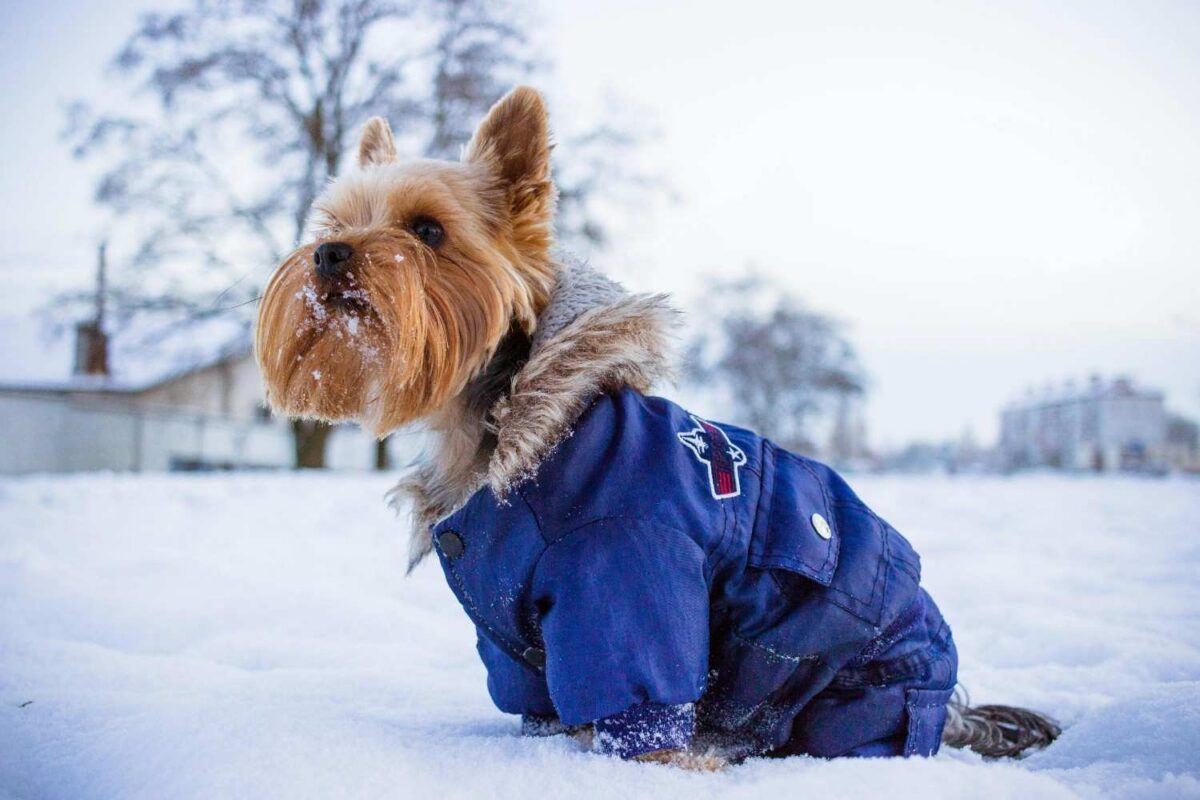
Winter in Sydney may be milder than in many other parts of the world, but cooler temperatures, shorter days, and indoor heating can still affect your pet more than you might expect. Smaller dogs, older pets, and cats that love curling up in warm spots tend to feel these seasonal changes the most.
If you’re a pet parent in Milsons Point, Kirribilli, Neutral Bay, Cremorne, or anywhere across the Lower North Shore, a few simple adjustments can go a long way in keeping your dog or cat comfortable, healthy, and happy throughout winter.
1. Make Their Sleeping Area Warmer (Without Overheating)
Pets naturally sleep more during colder months, so creating a warm and cosy resting space is one of the easiest ways to support their comfort.
Start by elevating their bed off cold tiles or floorboards. A raised bed or even placing a mat underneath can reduce exposure to chilly surfaces. Add a soft, washable blanket that your pet can burrow into. This is especially important for cats and small dogs that rely on external warmth.
Position their bed in a draft-free area, away from doors, windows, or air vents. Even a slight breeze can make a big difference in how warm your pet feels.
If your pet enjoys lying near heaters, keep safety in mind. Ensure they can move away freely and avoid direct contact with heating elements. Overheating can happen quickly, particularly for pets that don’t regulate temperature as efficiently.
2. Keep Winter Walks Short and Comfortable
While some dogs maintain their usual enthusiasm for walks, others may become reluctant in cooler weather. This is particularly common in older dogs or those with joint stiffness.
Instead of sticking to one long walk, consider breaking it into two shorter outings during the day. Walking later in the morning or early afternoon, when temperatures are slightly higher, can make the experience more enjoyable.
Begin each walk at a gentle pace to help your dog warm up. Just like humans, pets benefit from easing into physical activity, especially in colder conditions.
Pay attention to your dog’s behaviour. Signs such as shivering, lifting paws, slowing down, or refusing to continue walking indicate discomfort. In these cases, it’s best to head home and keep outings brief but regular.
3. Don’t Forget Parasite Protection
A common misconception is that fleas and ticks disappear during winter. In reality, many parasites remain active, especially in milder climates like Sydney. Indoor heating can also create ideal conditions for them to survive and reproduce year-round.
Skipping parasite prevention during winter can leave your pet vulnerable to infestations that may go unnoticed until they become more severe.
Your pet’s risk level depends on their lifestyle. Pets that visit dog parks, grooming facilities, boarding services, or spend time outdoors may need consistent protection throughout the year.
If you’re unsure what’s appropriate, it’s worth discussing with your vet team to ensure your pet is covered based on their daily routine and environment.
4. Watch Out for Dry, Itchy Skin
Winter weather and indoor heating can reduce humidity levels, which may lead to dry and irritated skin in pets. This is one of the most common seasonal concerns for both dogs and cats.
Signs to look out for include increased scratching, flaky or dandruff-like skin, a dull coat, or redness, particularly around the paws, belly, and ears.
In some cases, frequent bathing or the use of harsh shampoos can make dryness worse. Reviewing your pet’s grooming routine is a good first step. Switching to a gentle, moisturising shampoo or spacing out baths may help.
Diet can also play a role. A balanced diet that supports skin health is important, especially during seasonal changes.
If your pet’s itching persists or worsens, it’s best to seek a Vet Dermatologist’s advice. Skin issues can escalate quickly if left untreated, leading to infections or ongoing discomfort.
5. Adjust Food Only If Needed (Avoid “Winter Overfeeding”)
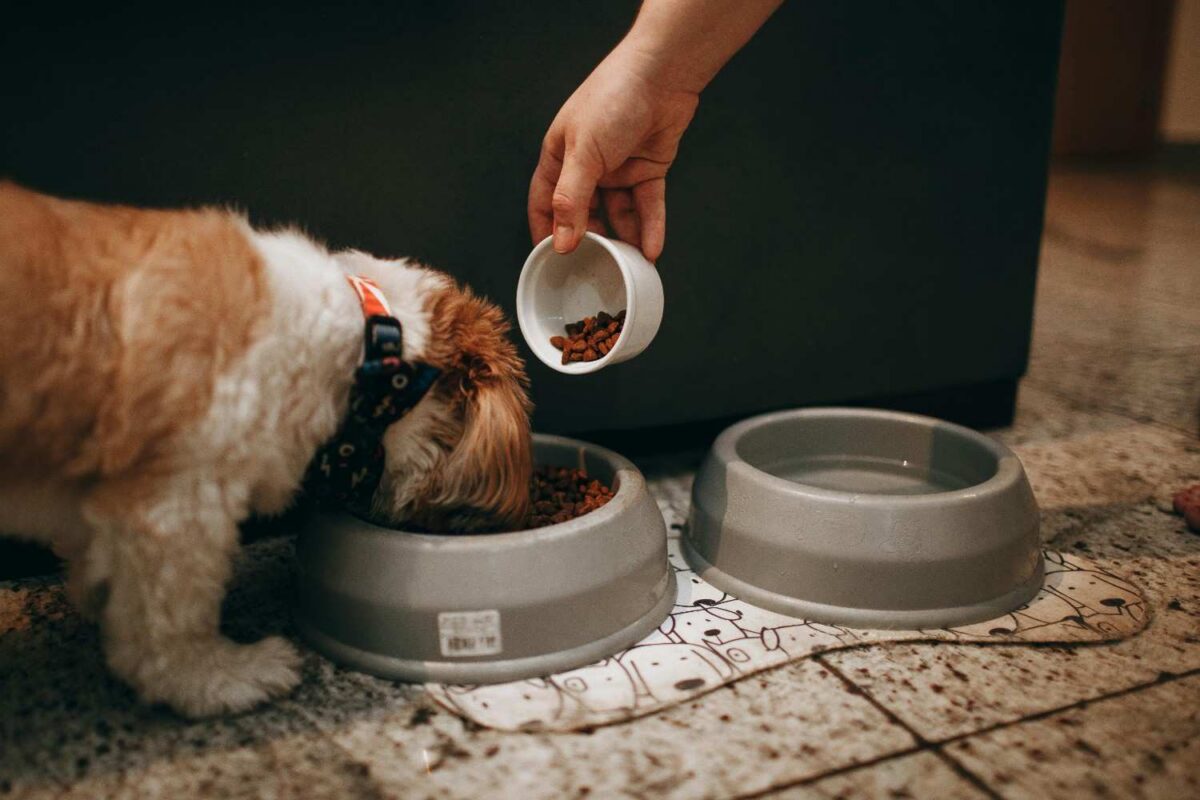
It’s natural to assume pets need more food in winter, but this isn’t always the case. In fact, many pets become less active during cooler months, which can lead to gradual weight gain if their food intake remains unchanged.
Rather than automatically increasing portions, monitor your pet’s activity levels and body condition. You should be able to feel their ribs with light pressure without them being overly visible.
Also consider how many treats your pet is receiving. It’s easy to offer more during cosy indoor days, but this can quickly add up.
On the other hand, pets that spend significant time outdoors or remain highly active may require slightly more energy intake. The key is to adjust based on your individual pet’s needs rather than the season alone.
If you’re unsure, a quick weight check with your vet team can provide clarity and help you maintain a healthy feeding routine.
6. Older Pets May Feel Winter More
Senior pets are often more sensitive to cold weather, particularly those with arthritis or joint stiffness. You may notice subtle changes in their movement or behaviour during winter.
Common signs include taking longer to get up, hesitation when using stairs, reduced willingness to jump, or limping after resting.
Providing additional support can make a significant difference in their comfort. Simple changes like adding extra bedding, keeping them warm, and maintaining gentle daily movement can help.
There are also supportive options available, ranging from lifestyle adjustments to veterinary-guided treatments that can improve mobility and quality of life.
Addressing these signs early is important. With the right care, many older pets can remain active and comfortable even during colder months.
When to Book a Vet Visit
While many winter-related changes are mild and manageable at home, certain symptoms should not be ignored.
Book a veterinary check if you notice:
- Persistent itching or skin irritation
- Limping or difficulty moving
- Changes in appetite or weight
- Coughing or breathing issues
- Noticeable behaviour changes or low energy
Winter is also an ideal time to schedule a general health check. Addressing small concerns early can help prevent more serious issues later, especially before the busier spring and summer seasons.
If you’re based in Milsons Point or the Lower North Shore, having a trusted local vet team at Pet Medical Milsons Point can give you peace of mind and ensure your pet stays healthy year-round.
Simple Winter Care Goes a Long Way
Caring for your pet in winter doesn’t require major changes. Often, it’s the small, thoughtful adjustments, like a warmer bed, shorter walks, or keeping an eye on their skin, that make the biggest difference.
By staying attentive to your pet’s behaviour and needs, you can help them stay comfortable, active, and content throughout the cooler months.
Frequently Asked Questions
Some do. Small dogs, short-haired breeds, senior pets, and those sensitive to cold may benefit from wearing a well-fitting jacket. If your pet shivers or seems uncomfortable outdoors, a jacket can provide extra warmth.
Yes, they can remain active, especially in milder climates and indoor environments. Many pets benefit from year-round parasite prevention.
Increased sleep can be normal during colder months. However, if it’s combined with appetite changes, weight loss, coughing, or low mood, it’s best to schedule a check-up.